Building a Garden Shed: Practical Tips and Ideas
Discover practical tips and creative ideas for building a garden shed that enhances your outdoor space and meets your storage needs.
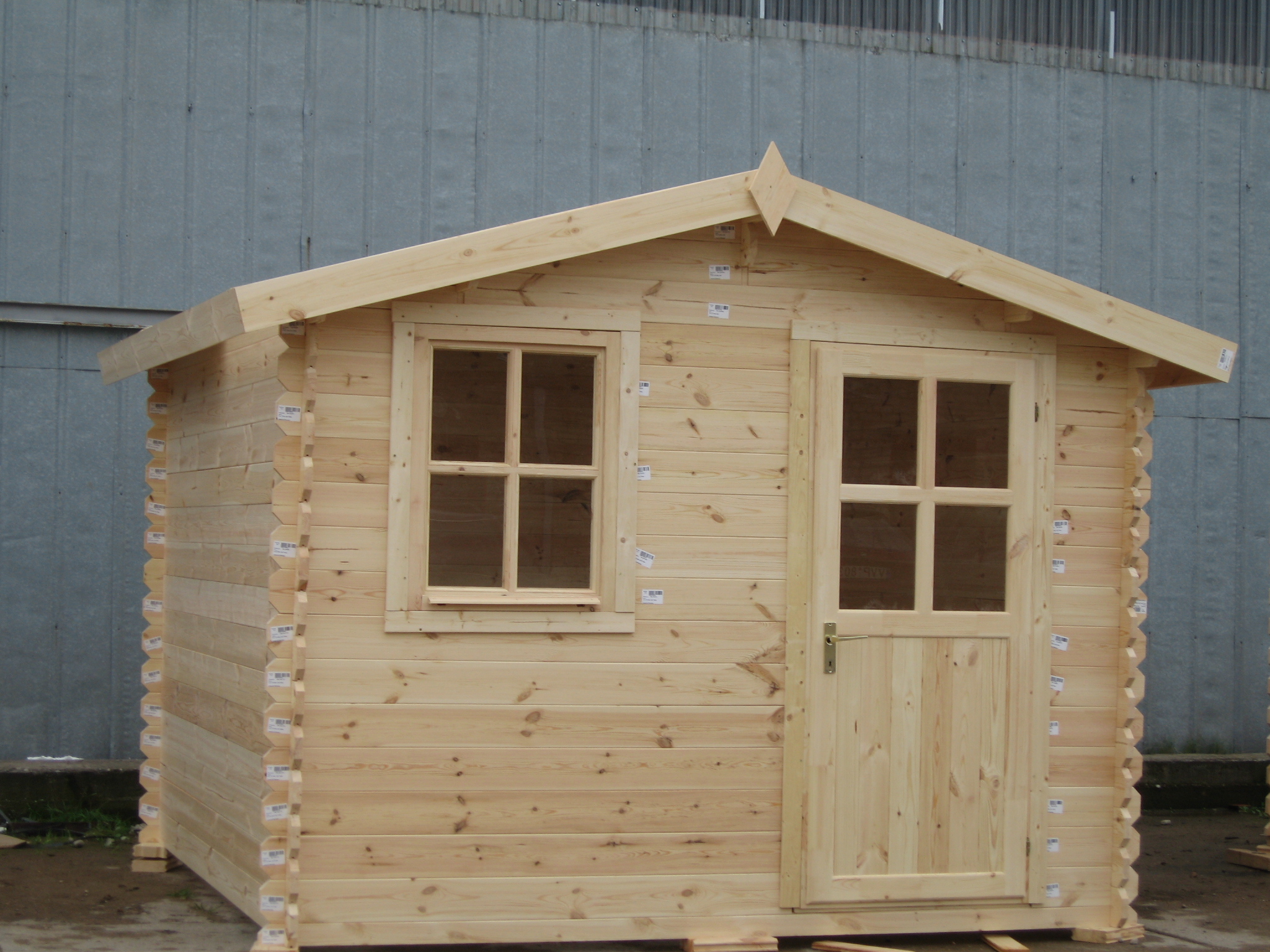
Planning Your Garden Shed
Before you begin building your garden shed, planning is crucial. Start by determining the purpose of your shed: will it be used for storing gardening tools, as a workshop, or even as a small retreat? Knowing its purpose will help you decide on the size and design. Next, choose a suitable location in your garden. Ensure the ground is level and that the shed will not obstruct any pathways or views. Additionally, check local building regulations to ensure your shed complies with any requirements. Sketch a blueprint of your shed, including dimensions and materials needed. A well-thought-out plan will save you time and effort in the long run.
Selecting Materials
The materials you choose for your garden shed will impact its durability and appearance. Common materials include wood, metal, and plastic. Wood is a popular choice due to its aesthetic appeal and versatility. However, it requires regular maintenance to prevent rot and insect damage. Metal sheds are durable and low-maintenance but may not blend as seamlessly into a garden setting. Plastic sheds are lightweight and resistant to rot and insects, but they may lack the sturdiness of wood or metal. Consider the climate in your area and your budget when selecting materials. Each material has its pros and cons, so weigh them carefully before making a decision.
Foundation and Flooring
A solid foundation is essential for the stability and longevity of your garden shed. Common foundation options include concrete slabs, gravel, and wooden beams. A concrete slab provides a sturdy and permanent base, ideal for larger sheds. Gravel foundations are easier to install and provide good drainage, preventing water damage. Wooden beam foundations are suitable for smaller sheds and offer a more natural look. Regardless of the foundation type, ensure it is level and properly compacted. For the flooring, consider using treated plywood or composite decking, which are both durable and resistant to moisture.
Building the Frame
The frame of your garden shed provides structural support and defines its shape. Start by constructing the floor frame using pressure-treated lumber to resist moisture and pests. Next, build the wall frames on a flat surface before raising them into place. Secure the wall frames to the floor frame and to each other using galvanized screws or nails. Ensure the walls are plumb and square before proceeding. For the roof, choose a style that suits your needs, such as a gable or flat roof. Use roof trusses or rafters to support the roofing material, which can be shingles, metal panels, or corrugated plastic.
Adding Doors and Windows
Installing doors and windows in your garden shed enhances its functionality and aesthetics. Choose a door that is wide enough to accommodate large tools or equipment. Pre-hung doors are convenient and easy to install, while custom-built doors allow for more design flexibility. Position windows to maximize natural light and ventilation inside the shed. Use tempered glass for safety and durability. Install weatherstripping around doors and windows to prevent drafts and moisture ingress. Consider adding shutters or grilles for added security and visual appeal.
Insulation and Ventilation
Proper insulation and ventilation are important for maintaining a comfortable and functional garden shed. Insulate the walls, roof, and floor using materials such as fiberglass batts, foam board, or reflective insulation. This will help regulate temperature and reduce moisture buildup. Ventilation is equally important to prevent condensation and ensure good air quality. Install vents in the roof or walls, or consider adding a small exhaust fan. For sheds used as workshops or retreats, consider installing a heater or air conditioner to maintain a comfortable environment year-round.
Finishing Touches
The final step in building your garden shed is adding the finishing touches. Paint or stain the exterior to protect it from the elements and match your garden's aesthetic. Add trim around doors and windows for a polished look. Install shelving, workbenches, and storage hooks inside the shed to organize your tools and equipment. Consider adding lighting and electrical outlets if you plan to use the shed as a workspace. Personalize the shed with decorative elements such as planter boxes, weather vanes, or garden art. With these finishing touches, your garden shed will be both functional and visually appealing.