Effective Stress Management Techniques
Discover practical and effective stress management techniques to enhance your well-being and maintain a balanced life.
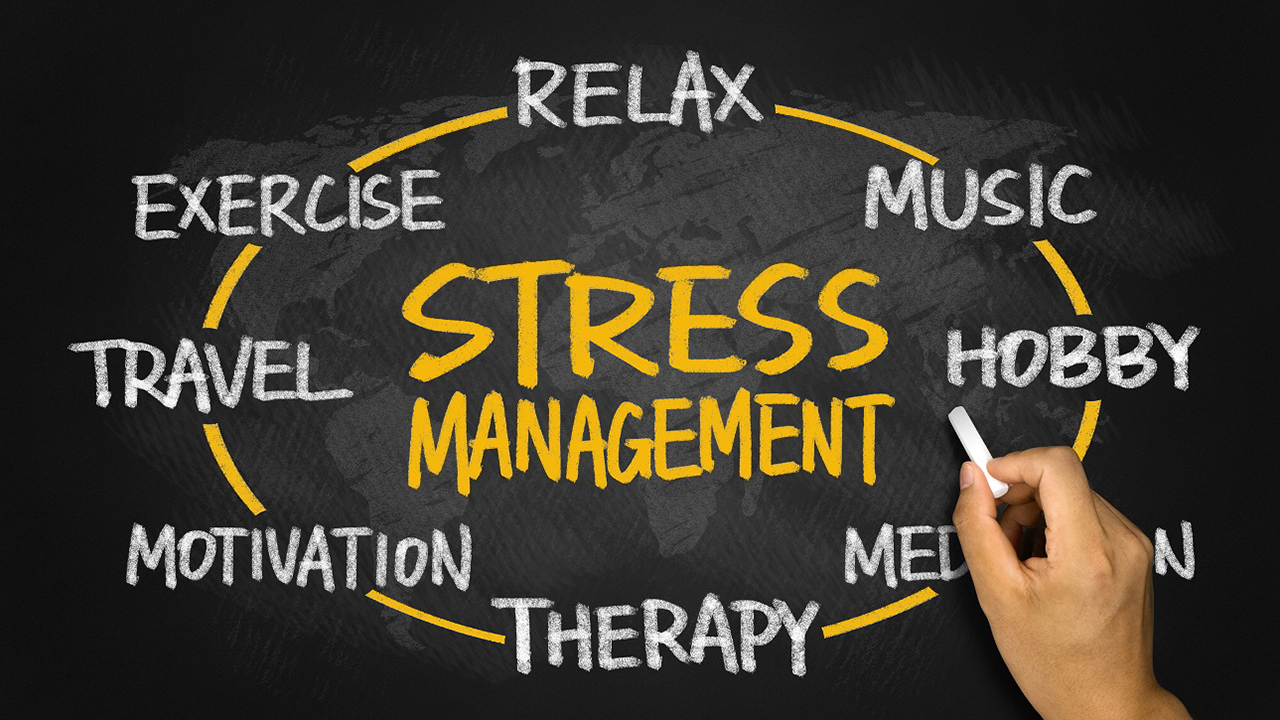
Understanding Stress
Stress is a natural response to challenging situations. It can be beneficial in small doses, helping you stay focused and energetic. However, when stress becomes chronic, it can lead to a host of physical and mental health issues. Understanding what stress is and how it affects your body is the first step in managing it effectively. Stress triggers can vary from person to person, including work pressures, financial worries, or personal relationships. Recognizing these triggers can help you develop strategies to mitigate their impact on your life.
Importance of Physical Activity
Engaging in regular physical activity is one of the most effective ways to manage stress. Exercise releases endorphins, which are natural mood lifters. Whether it's a brisk walk, a run, or a yoga session, physical activity can help reduce stress hormones and improve your overall sense of well-being. It's important to find an activity you enjoy so that it becomes a regular part of your routine. Even small amounts of exercise can make a significant difference in your stress levels.
Mindfulness and Meditation
Mindfulness and meditation practices have been shown to reduce stress and improve mental clarity. These techniques involve focusing your attention on the present moment, which can help you break the cycle of anxious thoughts. Mindfulness meditation can be practiced in various forms, such as guided sessions, breathing exercises, or body scans. Regular practice can help you become more aware of your thoughts and feelings, making it easier to manage stress when it arises.
Healthy Eating Habits
Your diet plays a crucial role in how your body responds to stress. Consuming a balanced diet rich in fruits, vegetables, lean proteins, and whole grains can provide the nutrients your body needs to cope with stress. Avoiding excessive caffeine, sugar, and alcohol can also help stabilize your mood and energy levels. Nutrient-rich foods can support brain function and improve your overall resilience to stress. Planning and preparing meals ahead of time can also reduce the stress associated with last-minute food choices.
Quality Sleep
Sleep is essential for stress management. Lack of sleep can exacerbate stress, making it harder to cope with daily challenges. Establishing a consistent sleep routine can help improve the quality of your sleep. Aim for 7-9 hours of sleep per night and create a relaxing bedtime routine to signal to your body that it's time to wind down. Good sleep hygiene practices, such as avoiding screens before bed and keeping your sleep environment cool and dark, can also contribute to better sleep quality.
Time Management Skills
Effective time management can significantly reduce stress. Prioritizing tasks, setting realistic goals, and breaking projects into manageable steps can help you feel more in control of your workload. Time management techniques such as the Pomodoro Technique or time-blocking can help you stay focused and productive. It's also important to schedule regular breaks and downtime to recharge. Learning to delegate tasks and say no when necessary can also prevent you from becoming overwhelmed.
Social Support Networks
Having a strong social support network can provide emotional and practical assistance during stressful times. Connecting with friends, family, or support groups can help you feel less isolated and more understood. Sharing your feelings and experiences with others can provide new perspectives and solutions to problems. Building and maintaining these relationships requires effort, but the benefits to your mental health and stress levels are invaluable. Don't hesitate to seek professional help if needed.
Relaxation Techniques
Incorporating relaxation techniques into your daily routine can help reduce stress and improve your overall well-being. Practices such as deep breathing, progressive muscle relaxation, and visualization can help calm your mind and body. Deep breathing exercises can be done anywhere and anytime, providing immediate relief from stress. Progressive muscle relaxation involves tensing and then relaxing different muscle groups, helping to release physical tension. Visualization techniques, where you imagine a peaceful scene, can also help reduce stress and promote relaxation.