Essential Skills for the Modern Workplace
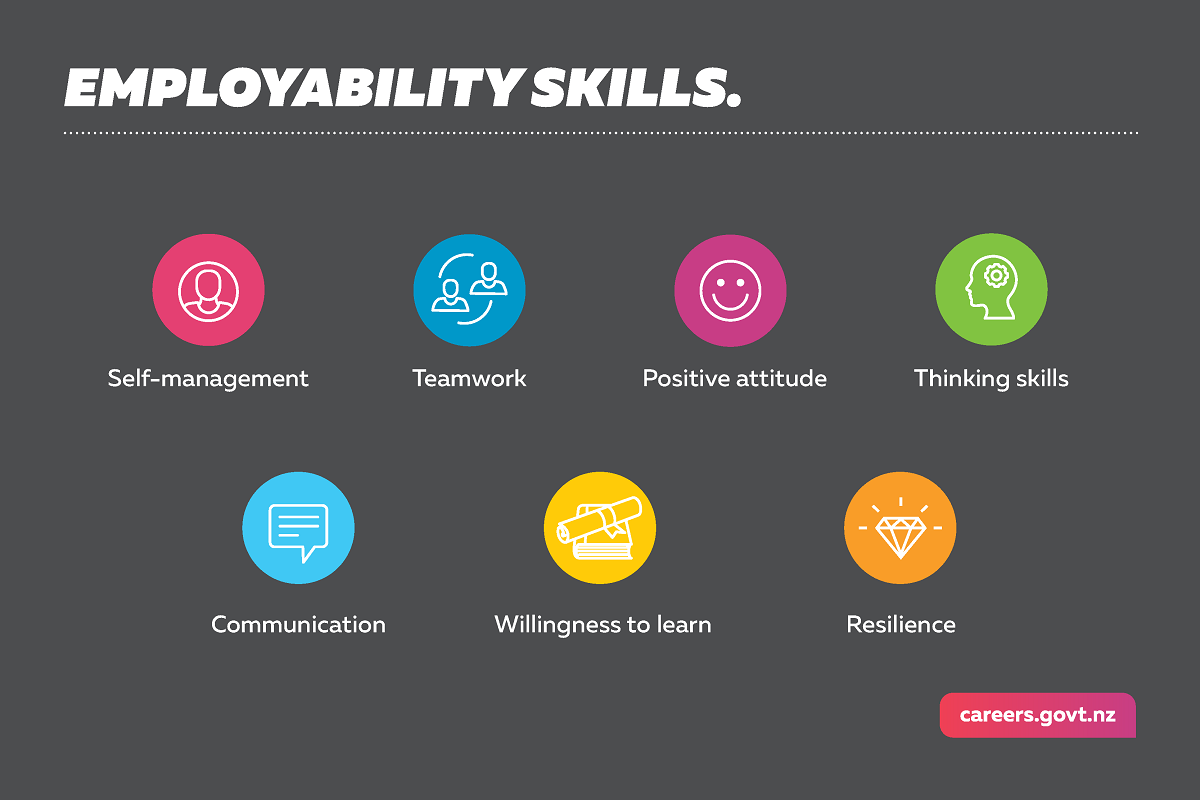
Mastering essential skills like communication, adaptability, and digital literacy is crucial for success in the modern workplace.
Communication Skills
In the modern workplace, effective communication is paramount. This skill encompasses both verbal and written forms. Clear and concise communication ensures that ideas are conveyed accurately and efficiently, reducing the likelihood of misunderstandings. Active listening is also a crucial component, as it allows employees to understand and respond appropriately to their colleagues. Mastery of communication tools, such as email and instant messaging, further enhances this skill. Additionally, being able to tailor your communication style to suit different audiences, whether they are clients, team members, or executives, is essential for fostering a collaborative work environment.
Digital Literacy
Digital literacy is no longer optional in today's tech-driven world. Employees must be proficient with a variety of digital tools and platforms, from basic office software to specialized industry applications. Understanding how to navigate and utilize cloud-based services, data analytics tools, and social media platforms can significantly boost productivity and innovation. Furthermore, staying updated with the latest technological trends and cybersecurity practices is crucial for maintaining the integrity and efficiency of business operations. Digital literacy also involves the ability to adapt to new technologies quickly, ensuring that employees can keep pace with the ever-evolving digital landscape.
Problem-Solving Abilities
The ability to solve problems effectively is a highly valued skill in any workplace. This involves identifying issues, analyzing potential solutions, and implementing the most effective course of action. Critical thinking plays a vital role in this process, enabling employees to approach problems logically and creatively. Additionally, strong problem-solving skills often require collaboration, as different perspectives can lead to more innovative solutions. Employers value individuals who can remain calm under pressure and tackle challenges head-on, turning obstacles into opportunities for growth and improvement.
Adaptability
In a rapidly changing work environment, adaptability is crucial. Employees must be able to adjust to new roles, responsibilities, and technologies with ease. This flexibility not only helps individuals thrive in dynamic settings but also makes them more valuable to their employers. Adaptable employees are often more open to feedback and willing to learn new skills, which can lead to greater job satisfaction and career advancement. Furthermore, being adaptable enables individuals to handle unexpected changes or disruptions, ensuring that business operations continue smoothly despite any challenges.
Teamwork and Collaboration
Teamwork and collaboration are essential for achieving common goals in the workplace. Working effectively with others requires strong interpersonal skills, including empathy, patience, and the ability to resolve conflicts. Successful collaboration often involves clear communication, mutual respect, and a shared sense of purpose. By fostering a collaborative environment, organizations can leverage the diverse strengths and perspectives of their employees, leading to more innovative solutions and improved overall performance. Teamwork also promotes a positive workplace culture, where employees feel supported and motivated to contribute their best efforts.
Time Management
Time management is a critical skill for maintaining productivity and meeting deadlines. Effective time management involves prioritizing tasks, setting realistic goals, and using tools like calendars and to-do lists to stay organized. Employees who manage their time well can balance multiple responsibilities without becoming overwhelmed. This skill also includes the ability to delegate tasks when necessary, ensuring that workloads are distributed evenly and efficiently. Good time management not only enhances individual performance but also contributes to the overall success of the organization by ensuring that projects are completed on schedule.
Emotional Intelligence
Emotional intelligence (EI) is increasingly recognized as a key factor in workplace success. EI involves the ability to understand and manage one's own emotions, as well as the emotions of others. High emotional intelligence can lead to better relationships, improved communication, and more effective conflict resolution. Employees with strong EI are often more empathetic, self-aware, and capable of handling stress. This skill is particularly important for leaders, as it enables them to inspire and motivate their teams while maintaining a positive work environment. Developing emotional intelligence can lead to greater job satisfaction and overall well-being.