How to Attract Birds and Butterflies to Your Garden
Transform your garden into a vibrant haven by attracting birds and butterflies with these simple, eco-friendly tips.
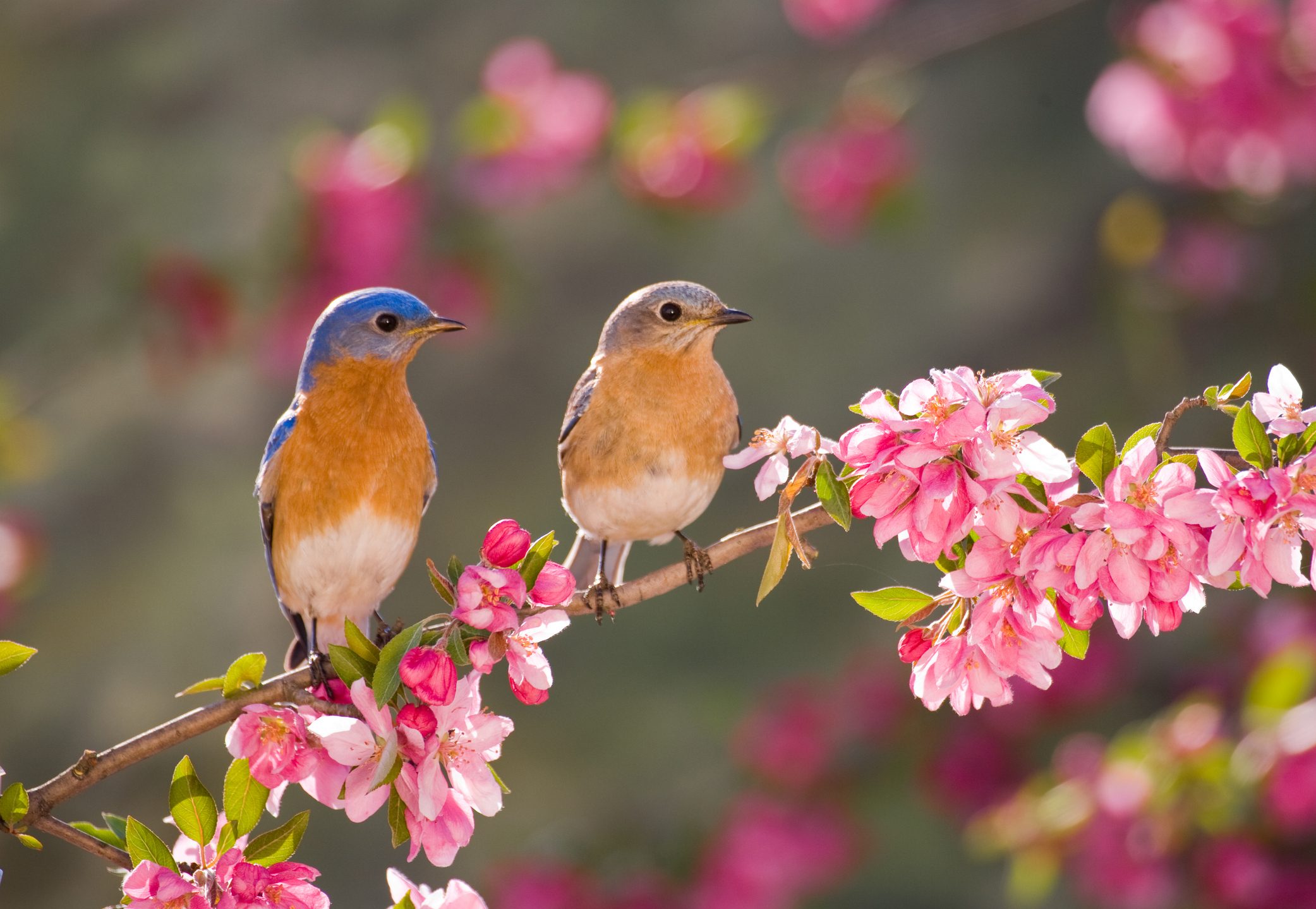
Creating a Bird-Friendly Environment
Attracting birds to your garden begins with creating a welcoming habitat. Start by planting native trees and shrubs, which provide natural food sources and shelter. Birds are drawn to areas where they can find insects, seeds, and berries. Consider adding a variety of plants that bloom at different times of the year to ensure a continuous food supply. Additionally, installing bird feeders filled with a mix of seeds, suet, and nectar can attract a variety of bird species. Providing fresh water is also crucial; a birdbath or a small pond can be a major draw. Remember to keep these water sources clean to prevent the spread of diseases. By offering food, water, and shelter, your garden will become a haven for birds throughout the seasons.
Choosing the Right Plants for Butterflies
Butterflies are particularly attracted to gardens that offer nectar-rich flowers. To create a butterfly-friendly garden, select plants that provide both nectar for adults and host plants for caterpillars. Milkweed, for instance, is essential for monarch butterflies, while parsley and dill are favored by swallowtail caterpillars. Opt for a variety of flowering plants that bloom at different times to provide a continuous nectar source. Brightly colored flowers, especially those in shades of red, yellow, and purple, are particularly appealing to butterflies. Additionally, plant flowers in clusters to make it easier for butterflies to locate them. By carefully selecting your plants, you can create a vibrant and attractive environment for these delicate creatures.
Providing Shelter and Breeding Grounds
Both birds and butterflies require safe places to shelter and breed. For birds, this can include dense shrubs, trees, and even man-made birdhouses. When placing birdhouses, ensure they are in a quiet area, away from predators. Butterflies need places to lay their eggs and pupate; providing host plants for caterpillars is a start, but also consider leaving some wild areas in your garden. Piles of leaves, logs, and rocks can serve as hiding spots for both butterflies and their caterpillars. Avoid using pesticides, as these can harm both adult butterflies and their larvae. By offering a variety of natural shelters, you can support the entire life cycle of these garden visitors.
Maintaining a Chemical-Free Garden
A healthy garden for birds and butterflies is one that is free from harmful chemicals. Pesticides and herbicides can be detrimental to these creatures, killing the insects that birds feed on and poisoning butterflies. Instead, adopt organic gardening practices. Use natural pest control methods, such as introducing beneficial insects like ladybugs and lacewings, which prey on harmful pests. Mulching and composting can also improve soil health and reduce the need for chemical fertilizers. By maintaining a chemical-free garden, you create a safer environment for birds, butterflies, and other wildlife, ensuring that your garden remains a vibrant and thriving ecosystem.
Enjoying the Benefits of a Wildlife Garden
Creating a garden that attracts birds and butterflies offers numerous benefits. Not only does it enhance the beauty and tranquility of your outdoor space, but it also supports local biodiversity. Birds and butterflies play crucial roles in pollination and pest control, helping to maintain the health of your garden. Additionally, observing these creatures can be a source of joy and relaxation, providing a closer connection to nature. Gardening for wildlife encourages environmental stewardship and can be a rewarding hobby for individuals and families alike. By making a few thoughtful changes, you can transform your garden into a sanctuary for birds, butterflies, and other beneficial wildlife.