How to Choose the Right Foundation for Your Skin Type
Choosing the right foundation for your skin type can be challenging. Learn essential tips to find the perfect match for a flawless complexion.
Understanding Your Skin Type
Choosing the right foundation starts with understanding your skin type. Skin types generally fall into four categories: oily, dry, combination, and sensitive. Oily skin tends to produce excess sebum, leading to a shiny complexion and enlarged pores. Dry skin often feels tight and may flake or appear dull. Combination skin features both oily and dry areas, typically with an oily T-zone (forehead, nose, and chin) and dry cheeks. Sensitive skin can react to various ingredients, resulting in redness, itching, or irritation. Knowing your skin type will help you select a foundation that addresses your specific needs, ensuring a smooth, flawless finish.
Foundation Types and Finishes
There are several types of foundations to choose from, including liquid, powder, cream, and stick. Liquid foundations are versatile and suitable for most skin types, offering varying degrees of coverage and finishes, from matte to dewy. Powder foundations work well for oily and combination skin, providing a lightweight, buildable coverage that helps control shine. Cream foundations are ideal for dry or mature skin, offering a hydrating, full-coverage finish. Stick foundations are convenient for on-the-go touch-ups and provide buildable coverage with a natural finish. Understanding the different types and finishes will help you make an informed decision based on your skin type and desired look.
Matching Your Skin Tone
Finding the right shade of foundation is crucial for a natural-looking complexion. To determine your skin tone, look at the veins on your wrist. If they appear blue, you likely have a cool undertone. If they appear green, you have a warm undertone. If you can't tell, you may have a neutral undertone. When testing foundation shades, apply a small amount to your jawline and blend it in. The right shade should seamlessly blend into your skin without leaving a noticeable line. It's also essential to consider how your skin tone changes with the seasons; you may need a lighter shade in the winter and a darker one in the summer.
Coverage Levels
Foundation coverage ranges from sheer to full. Sheer coverage provides a natural, barely-there look, perfect for those who want to even out their skin tone without masking their natural complexion. Medium coverage offers a balance between a natural look and the ability to cover imperfections like redness or minor blemishes. Full coverage foundations provide the most coverage, effectively hiding acne scars, hyperpigmentation, and other significant imperfections. When choosing a foundation, consider your desired level of coverage and how much time you're willing to spend on your makeup routine. Sheer and medium coverage foundations are typically easier to apply and blend, while full coverage foundations may require more precision.
Ingredients to Look For
The ingredients in your foundation can make a significant difference in how it performs and how your skin reacts. For oily skin, look for oil-free and non-comedogenic formulas that won't clog pores. Ingredients like salicylic acid can help control oil production and prevent breakouts. For dry skin, seek out foundations with hydrating ingredients like hyaluronic acid, glycerin, and vitamin E. These will help maintain moisture levels and prevent your foundation from looking cakey. Sensitive skin types should avoid fragrances and opt for hypoallergenic foundations with soothing ingredients like chamomile and aloe vera. Always read the ingredient list and perform a patch test if you have concerns about potential reactions.
Application Techniques
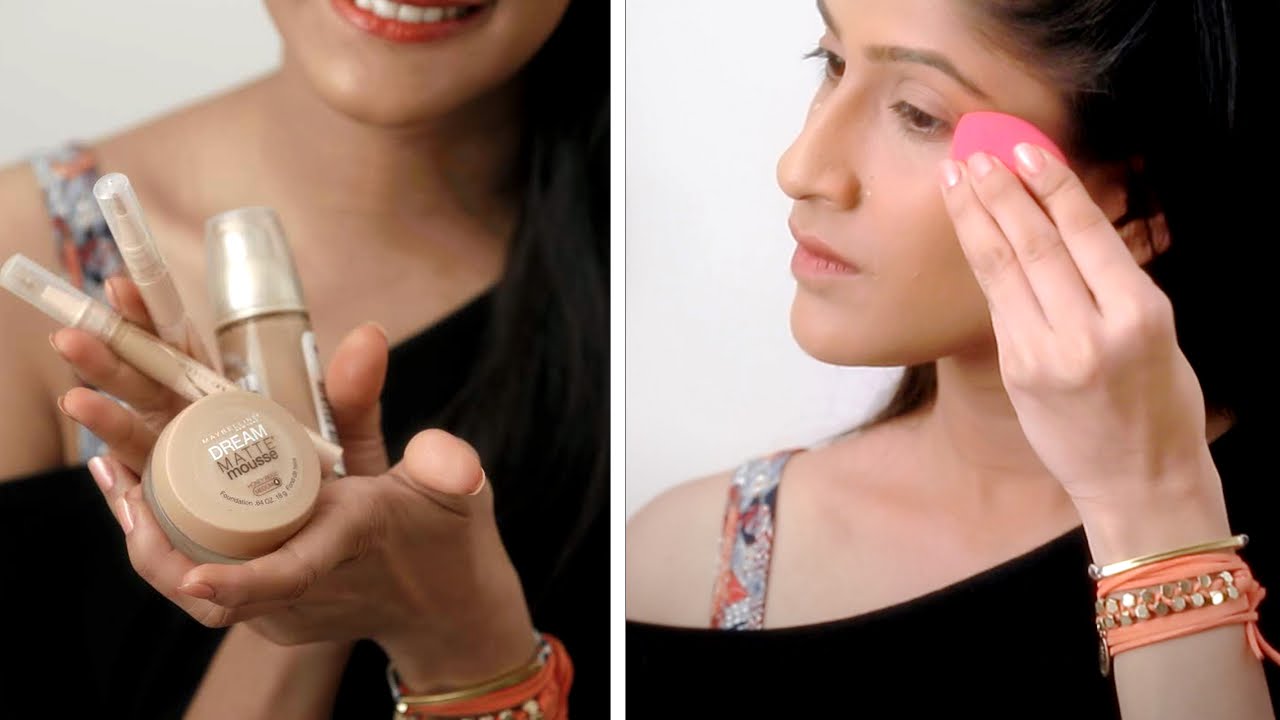
The way you apply your foundation can significantly impact its appearance and longevity. For a natural finish, use a damp makeup sponge to blend the foundation into your skin with a bouncing motion. This technique helps to achieve an even, seamless look. A foundation brush can provide more coverage and precision, especially around the nose and under the eyes. For powder foundations, use a kabuki brush or a powder puff to press the product into the skin for a matte finish. Always start with a clean, moisturized face and consider using a primer to create a smooth base and extend the wear of your foundation. Experiment with different techniques to find what works best for you and your skin type.