How to Maintain Healthy Nails
Discover essential tips for maintaining healthy nails, from proper hygiene to balanced nutrition and avoiding harmful habits.
Understanding Nail Health
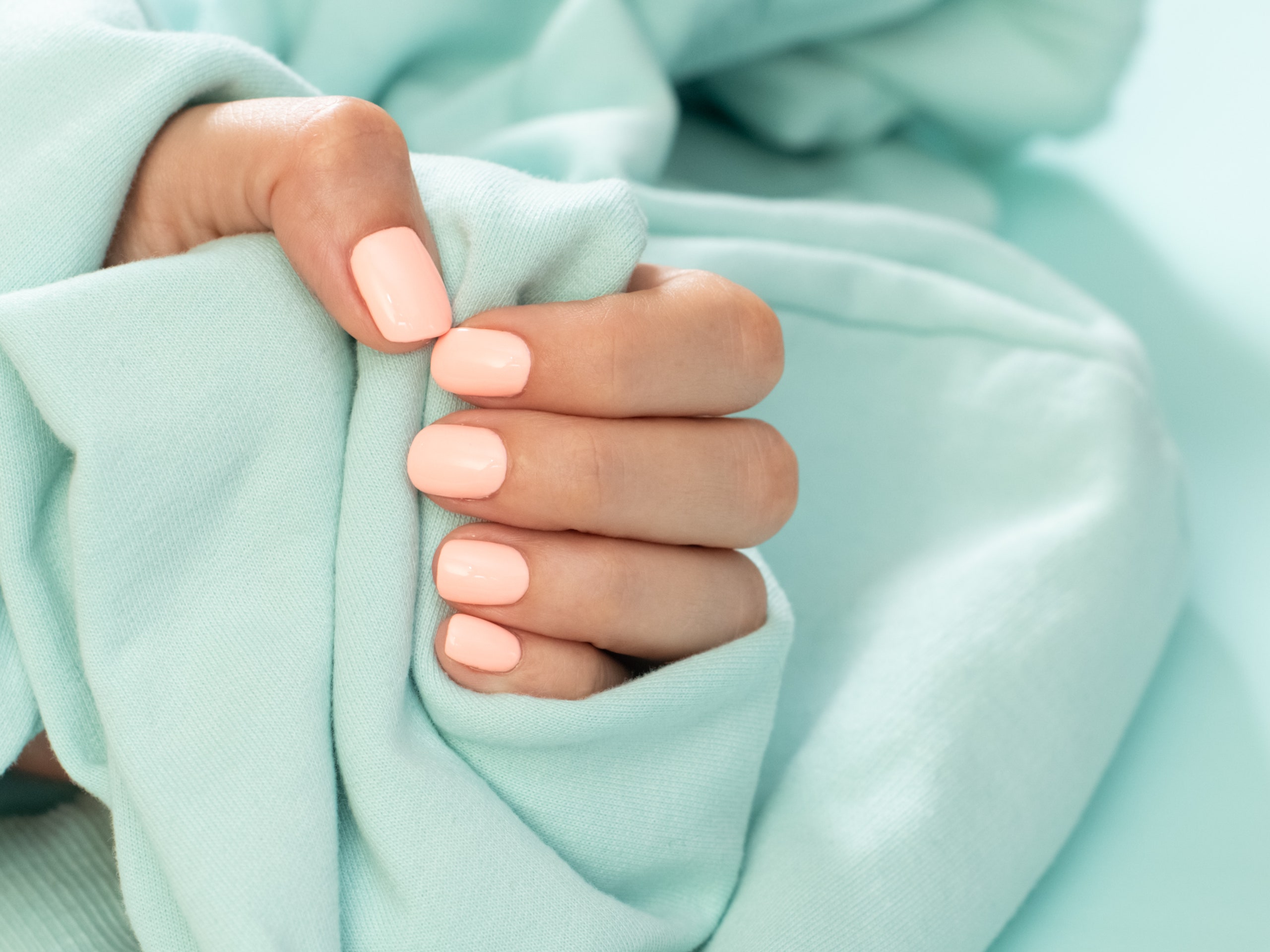
Maintaining healthy nails is essential for overall beauty and hygiene. Your nails can reveal a lot about your general health, and neglecting them can lead to various issues. Nails are made of a protein called keratin, which also constitutes your hair. They grow from the area at the base of the nail under your cuticle. Proper nail care involves keeping them clean, moisturized, and trimmed. Regular observation can help you spot any abnormalities early, ensuring timely treatment. Healthy nails are typically smooth, without pits or grooves, and consistent in color and thickness.
The Importance of a Balanced Diet
Your nails require a balanced diet to stay strong and healthy. Nutrients like biotin, vitamin E, and omega-3 fatty acids play a significant role in nail health. Biotin, found in eggs and nuts, helps in nail growth and strength. Vitamin E, present in green leafy vegetables and nuts, protects your nails from damage. Omega-3 fatty acids, abundant in fish and flaxseeds, keep your nails moisturized. A diet rich in fruits, vegetables, and lean proteins can significantly improve the condition of your nails. Hydration is equally important; drinking plenty of water helps maintain nail moisture.
Proper Nail Hygiene
Maintaining proper nail hygiene is crucial for preventing infections and promoting nail health. Always keep your nails clean and dry to prevent bacterial and fungal infections. Regularly trim your nails using sharp manicure scissors or clippers, and file them to avoid snags and tears. Avoid biting your nails or picking at your cuticles, as these habits can damage the nail bed and lead to infections. Using a gentle nail brush to clean under your nails can help remove dirt and debris. Make sure to disinfect your nail care tools regularly to avoid transferring germs.
Moisturizing and Hydration
Keeping your nails and cuticles moisturized is vital for preventing dryness and brittleness. Regularly apply a moisturizing lotion or cuticle oil to your nails and cuticles to keep them hydrated. Natural oils like coconut oil, olive oil, and almond oil are excellent choices for nail and cuticle care. After washing your hands or taking a shower, apply a generous amount of moisturizer to lock in moisture. Wearing gloves while doing household chores or using harsh chemicals can protect your nails from drying out. Drinking plenty of water also helps in maintaining nail hydration from within.
Avoiding Harsh Chemicals
Exposure to harsh chemicals can weaken your nails, making them prone to breakage and discoloration. Avoid using nail polish removers that contain acetone, as it can strip your nails of natural oils, leaving them dry and brittle. Opt for acetone-free removers and use them sparingly. When applying nail polish, choose brands that are free from harmful chemicals like formaldehyde, toluene, and dibutyl phthalate (DBP). Wearing gloves while handling cleaning products, gardening, or doing dishes can protect your nails from chemical damage. Be mindful of the products you use and their potential impact on your nail health.
Regular Nail Care Routine
Establishing a regular nail care routine can significantly improve the health and appearance of your nails. Start by soaking your nails in warm water for a few minutes to soften them. Gently push back your cuticles using a cuticle pusher, but avoid cutting them as it can lead to infections. Trim your nails straight across and then round the tips in a gentle curve. Use a fine-grit nail file to smooth any rough edges. Apply a base coat before using nail polish to protect your nails from staining. Finish with a top coat to add shine and extend the life of your manicure.
Recognizing Nail Problems
Being aware of common nail problems can help you address them promptly. Brittle nails, characterized by splitting and peeling, can result from overexposure to water or harsh chemicals. White spots on nails are usually a sign of minor trauma and typically grow out with the nail. Yellow nails can indicate a fungal infection or excessive use of nail polish. If you notice changes in nail color, thickness, or shape, it might be a sign of an underlying health issue. Consult a healthcare professional if you observe persistent problems like pitting, discoloration, or pain around your nails.
Professional Nail Care
Sometimes, seeking professional nail care can make a significant difference in maintaining healthy nails. Regular visits to a manicurist can help keep your nails in top condition. Professionals have the expertise to handle your nails gently and effectively, reducing the risk of damage and infection. They can also provide treatments like nail strengthening, hydration therapies, and fungal infection remedies. If you experience persistent nail issues, consulting a dermatologist can help diagnose and treat any underlying conditions. Professional care combined with a good at-home routine can ensure your nails remain healthy and beautiful.