Maximizing Space with Vertical Gardening
Discover how vertical gardening can transform small spaces into lush, green oases, perfect for urban environments and limited areas.
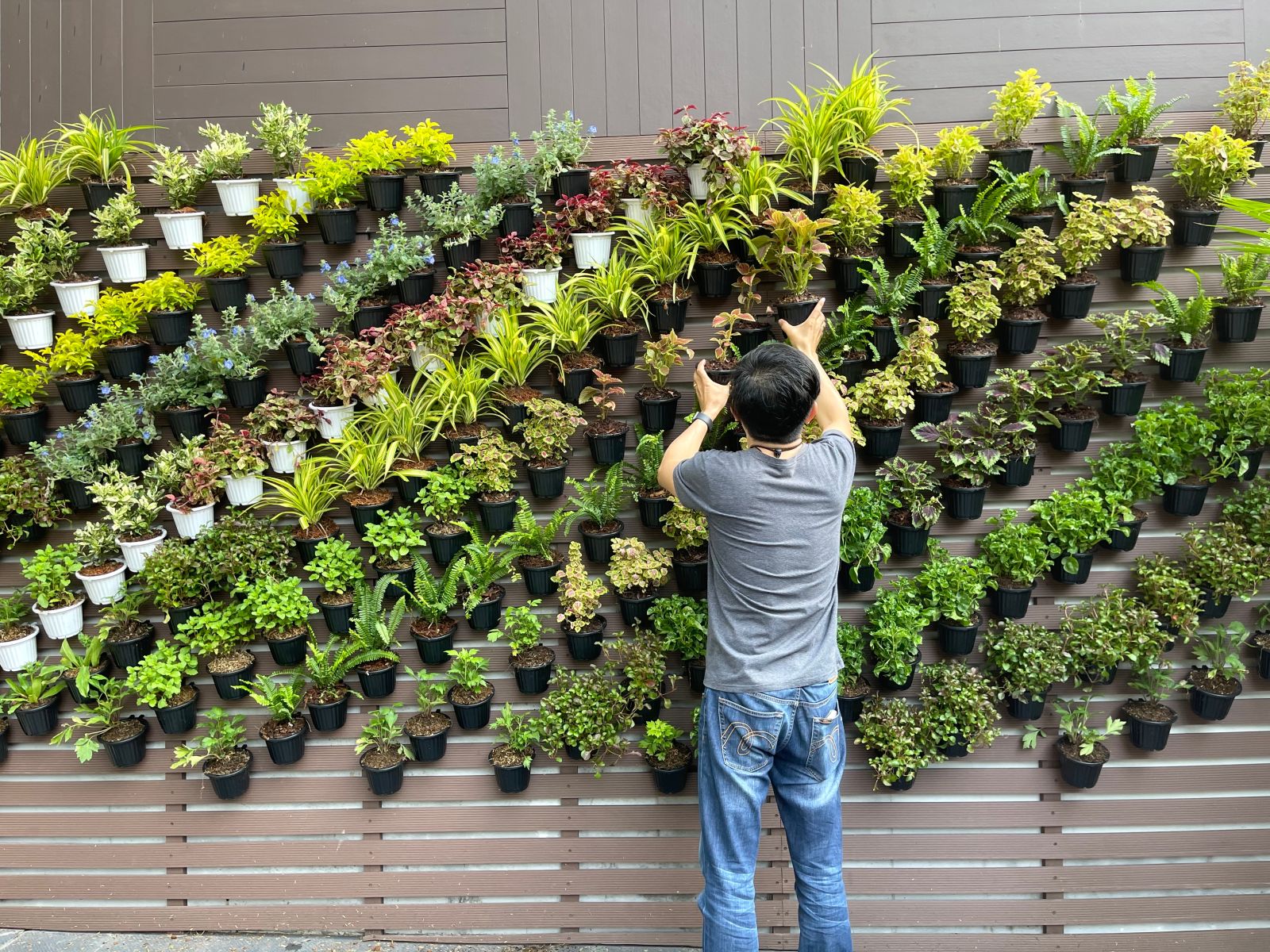
The Rise of Vertical Gardening
In recent years, vertical gardening has emerged as a popular solution for urban dwellers and homeowners looking to maximize their limited space. By growing plants upward instead of outward, you can create lush, green environments even in the smallest of spaces. This gardening method is not only aesthetically pleasing but also functional, offering a unique way to incorporate nature into your home. Whether you're living in an apartment with a small balcony or a house with a compact backyard, vertical gardening allows you to grow a variety of plants, from herbs and vegetables to flowers and succulents, all while saving precious ground space.
Benefits of Vertical Gardening
One of the most significant advantages of vertical gardening is the efficient use of space. Traditional gardens require expansive horizontal areas, which can be a luxury in urban settings. Vertical gardens, on the other hand, utilize walls, fences, and even ceilings to create green spaces. Additionally, vertical gardens can improve air quality by acting as natural air filters. They can also provide insulation, reducing energy costs by keeping your home cooler in the summer and warmer in the winter. Moreover, vertical gardens can increase biodiversity in urban areas, attracting beneficial insects and birds.
Choosing the Right Plants
Selecting the right plants is crucial for a successful vertical garden. Climbing plants like ivy, jasmine, and clematis are excellent choices as they naturally grow upwards. For those interested in growing food, consider plants like tomatoes, cucumbers, and beans, which thrive in vertical setups. Herbs such as basil, mint, and rosemary are also great options due to their compact size and fast growth. When choosing plants, consider their light and water requirements to ensure they thrive in your specific environment. Mixing different types of plants can create a visually appealing and diverse garden.
Building Your Vertical Garden
There are numerous ways to build a vertical garden, depending on your space and budget. Wall-mounted planters are a popular option, offering a sleek and modern look. You can also use recycled materials like pallets, gutters, and old shoe organizers to create budget-friendly vertical gardens. For a more advanced setup, consider installing a hydroponic system, which allows plants to grow without soil by using nutrient-rich water. Regardless of the method you choose, ensure that your structure is sturdy and can support the weight of the plants and soil.
Maintaining Your Vertical Garden
Proper maintenance is essential for the longevity and health of your vertical garden. Regularly check for signs of pests and diseases, as plants in vertical gardens can be more susceptible due to their close proximity. Watering is another critical aspect; ensure that water reaches all levels of the garden, especially the top tiers. Using a drip irrigation system can help distribute water evenly. Pruning and trimming your plants will promote healthy growth and prevent overcrowding. Fertilize your plants periodically to provide them with the necessary nutrients.
Creative Vertical Gardening Ideas
Vertical gardening offers endless opportunities for creativity. Consider using living walls to create stunning green backdrops for your outdoor or indoor spaces. You can also incorporate vertical gardens into your kitchen by growing herbs and small vegetables within easy reach. Hanging baskets and tiered planters can add depth and dimension to your garden. For a unique twist, try creating a vertical succulent garden, which requires minimal maintenance and adds a modern touch to your decor. The possibilities are only limited by your imagination.
Environmental Impact
Vertical gardening can have a positive impact on the environment. By growing your own food, you can reduce your carbon footprint and reliance on store-bought produce, which often involves significant transportation and packaging. Vertical gardens can also help combat urban heat islands by cooling the air and providing shade. Additionally, they promote the conservation of water, as vertical systems can be designed to minimize water waste. By incorporating native plants, you can support local ecosystems and contribute to biodiversity.
Getting Started with Vertical Gardening
Starting a vertical garden may seem daunting, but with the right planning and resources, it can be a rewarding endeavor. Begin by assessing your available space and determining the best location for your garden. Research the plants that will thrive in your specific environment and gather the necessary materials for your chosen setup. Start small and expand your garden as you gain experience. Vertical gardening not only maximizes space but also offers a sustainable and enjoyable way to bring nature into your home. With patience and creativity, you can transform even the smallest area into a vibrant, green oasis.