Saving for Retirement: Essential Tips for Long-Term Planning
Discover essential tips for long-term retirement planning, including budgeting, investment strategies, and maximizing employer benefits.
Understanding the Importance of Early Savings
Saving for retirement is a crucial aspect of personal finance that often gets overlooked in the hustle and bustle of everyday life. The earlier you start saving, the more time your money has to grow through the power of compound interest. This concept allows your investments to generate earnings, which are then reinvested to produce their own earnings. Starting early also means you can contribute smaller amounts over a longer period, reducing the financial strain. For example, setting aside a modest amount each month in your twenties can result in a substantial nest egg by the time you retire. The key takeaway here is that time is one of the most powerful tools in your retirement planning arsenal.
Setting Realistic Goals
When it comes to retirement planning, setting realistic goals is essential. Begin by estimating your future living expenses, taking into account factors like housing, healthcare, and leisure activities. It's important to be honest with yourself about your lifestyle expectations. Once you have a ballpark figure, you can work backward to determine how much you need to save each month to reach that goal. Consider using retirement calculators available online to get a more precise estimate. Remember, these goals should be flexible enough to adjust for unexpected life changes but firm enough to keep you on track. Consistency and regular reviews of your financial plan will help you stay aligned with your long-term objectives.
Diversifying Your Investment Portfolio
Diversification is a fundamental principle in investment strategy that can help mitigate risks and maximize returns. Instead of putting all your money into one type of investment, spread it across various asset classes like stocks, bonds, and real estate. This approach helps protect your portfolio against market volatility. For instance, if the stock market takes a downturn, your investments in bonds or real estate may help balance the overall impact. Diversifying your portfolio also allows you to take advantage of different growth opportunities. Regularly reviewing and adjusting your asset allocation based on market conditions and your risk tolerance is key to maintaining a balanced portfolio.
Understanding Tax-Advantaged Accounts
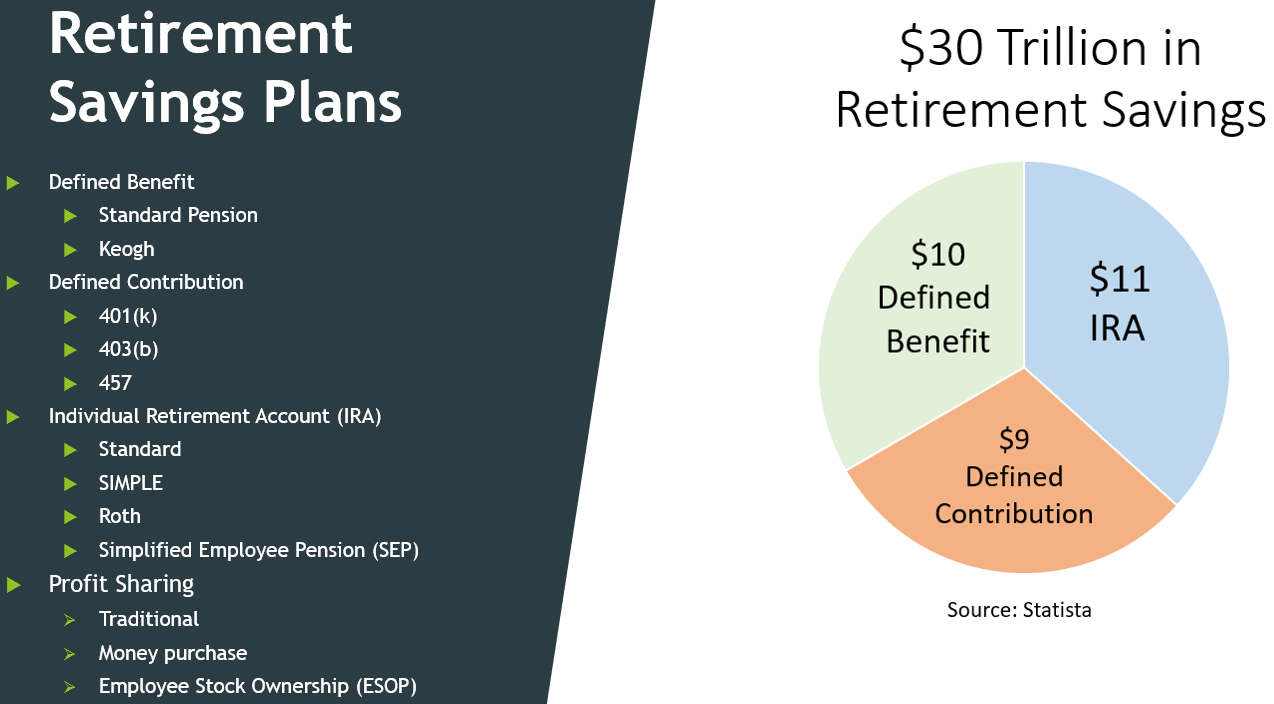
Utilizing tax-advantaged accounts can significantly enhance your retirement savings. Accounts such as 401(k)s and IRAs offer tax benefits that can help your savings grow more efficiently. Contributions to these accounts are often tax-deductible, and the investments within them grow tax-deferred until you withdraw the funds in retirement. This means more of your money can stay invested and compound over time. Additionally, some employers offer matching contributions to 401(k) plans, essentially providing you with free money toward your retirement. Understanding the rules and limits of these accounts will allow you to maximize their benefits, making them a powerful tool in your retirement planning strategy.
Regularly Reviewing and Adjusting Your Plan
A successful retirement plan is not a set-it-and-forget-it endeavor; it requires regular review and adjustment. Life circumstances and financial markets are constantly changing, and your retirement plan should be flexible enough to adapt. Schedule annual reviews to assess your progress and make necessary adjustments. Consider consulting with a financial advisor to get professional insights and recommendations. They can help you navigate complex financial landscapes and keep your plan aligned with your goals. Remember, the journey to a secure retirement is a marathon, not a sprint. Staying informed and proactive will ensure that you are well-prepared for your golden years.