Sustainable Gardening Practices for Beginners
Discover easy and eco-friendly gardening tips for beginners to create a thriving, sustainable garden at home.
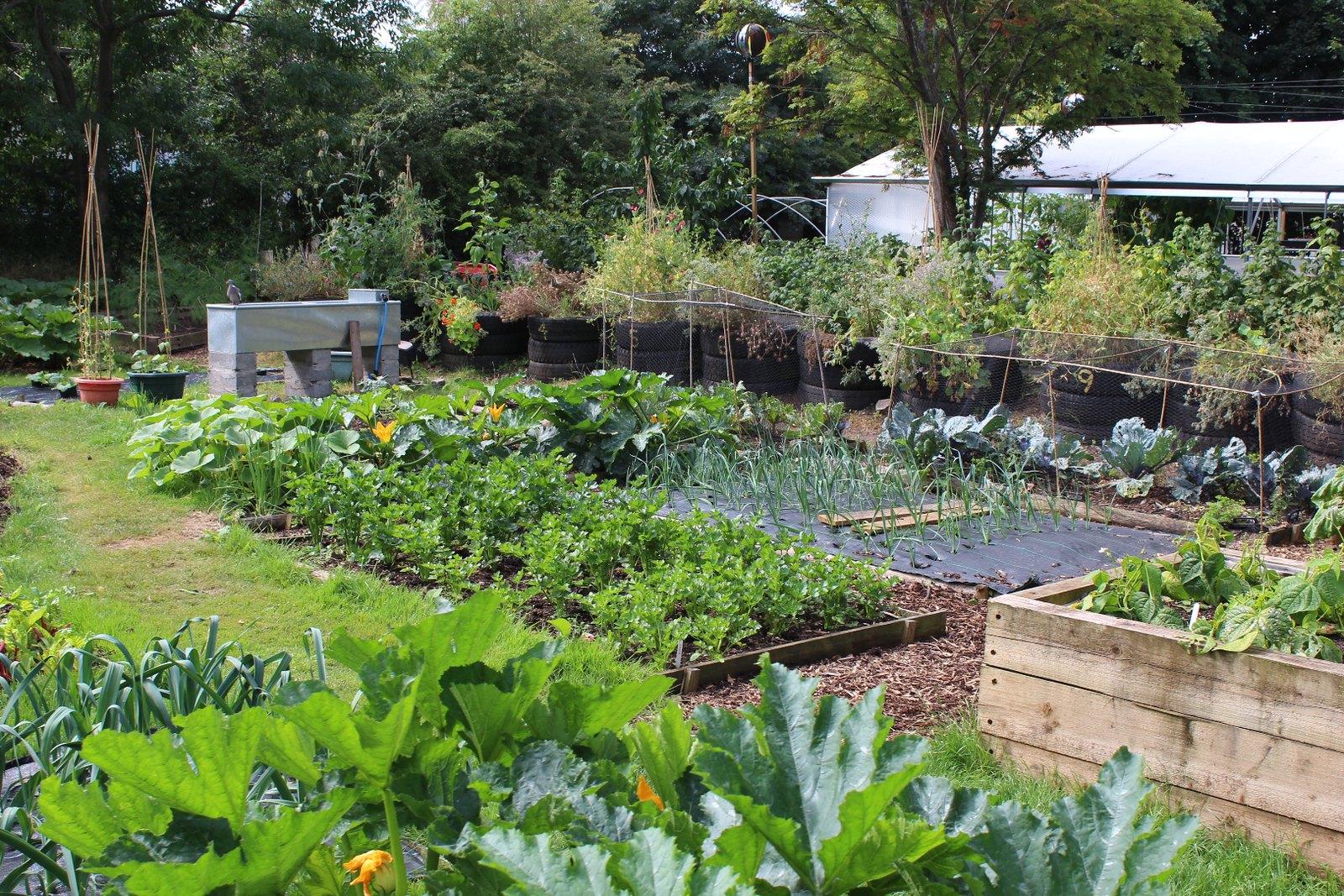
Understanding the Basics of Sustainable Gardening
Sustainable gardening is about creating a garden that is environmentally friendly, conserving resources, and supporting local ecosystems. As a beginner, start by understanding your local climate, soil type, and native plants. Native plants are crucial because they require less water, are more resistant to pests, and support local wildlife. Avoid using chemical fertilizers and pesticides; instead, opt for organic alternatives. Consider composting kitchen scraps and yard waste to create nutrient-rich soil. This practice not only reduces waste but also enriches your garden naturally. Remember, sustainable gardening is about working with nature, not against it.
Water Conservation Techniques
Water is a precious resource, and conserving it is a key aspect of sustainable gardening. Implementing water-saving techniques can make a significant difference. Use mulch to retain soil moisture and reduce evaporation. Drip irrigation systems deliver water directly to plant roots, minimizing waste. Collecting rainwater in barrels can provide an additional water source for your garden. Grouping plants with similar water needs together can also help in efficient water usage. Lastly, watering plants early in the morning or late in the evening reduces water loss due to evaporation. These practices ensure that your garden thrives while conserving water.
Soil Health and Composting
Healthy soil is the foundation of a thriving garden. Sustainable gardening emphasizes improving soil health through natural methods. Composting is an excellent way to enrich your soil. Compost adds essential nutrients and improves soil structure, making it more fertile. Start a compost pile with kitchen scraps like vegetable peels, coffee grounds, and eggshells, along with yard waste such as leaves and grass clippings. Avoid adding meat, dairy, or diseased plants to your compost. Regularly turning the compost pile accelerates decomposition. By creating your own compost, you reduce waste and provide your garden with a continuous supply of organic matter.
Natural Pest Control Methods
Pest control is a significant concern for gardeners, but sustainable practices avoid harmful chemicals. Natural pest control methods are effective and environmentally friendly. Introduce beneficial insects like ladybugs and predatory beetles that feed on harmful pests. Planting a diverse range of species can deter pests, as they are less likely to thrive in a mixed environment. Companion planting, where certain plants are grown together for mutual benefit, can also help repel pests. For instance, marigolds can deter nematodes, while basil can repel aphids. Homemade sprays made from ingredients like garlic, neem oil, or soap can be used to treat infestations without harming beneficial insects.
Encouraging Biodiversity
A sustainable garden is one that supports a wide range of plant and animal life. Biodiversity is crucial for a healthy ecosystem. Plant a variety of flowers, shrubs, and trees to attract different pollinators such as bees, butterflies, and birds. Avoid monocultures, as they can lead to pest outbreaks and soil depletion. Create habitats like birdhouses, bat boxes, and insect hotels to encourage wildlife. A small pond or water feature can attract amphibians and beneficial insects. By fostering biodiversity, you create a resilient garden that can withstand environmental stresses and support local wildlife.
Sustainable Garden Design
Designing your garden with sustainability in mind can enhance its beauty and functionality. Sustainable garden design involves planning and using resources efficiently. Choose plants that are well-suited to your local climate and soil conditions to reduce the need for additional water and fertilizers. Incorporate edible plants to create a garden that provides food as well as aesthetic value. Use recycled or reclaimed materials for garden structures and pathways. Consider permaculture principles, which focus on creating self-sustaining ecosystems. By thoughtfully designing your garden, you can create a space that is both beautiful and environmentally responsible.