The Benefits of Regular Exercise
Regular exercise boosts physical health, enhances mental well-being, and improves overall quality of life. Discover its many benefits.
Physical Health Improvements
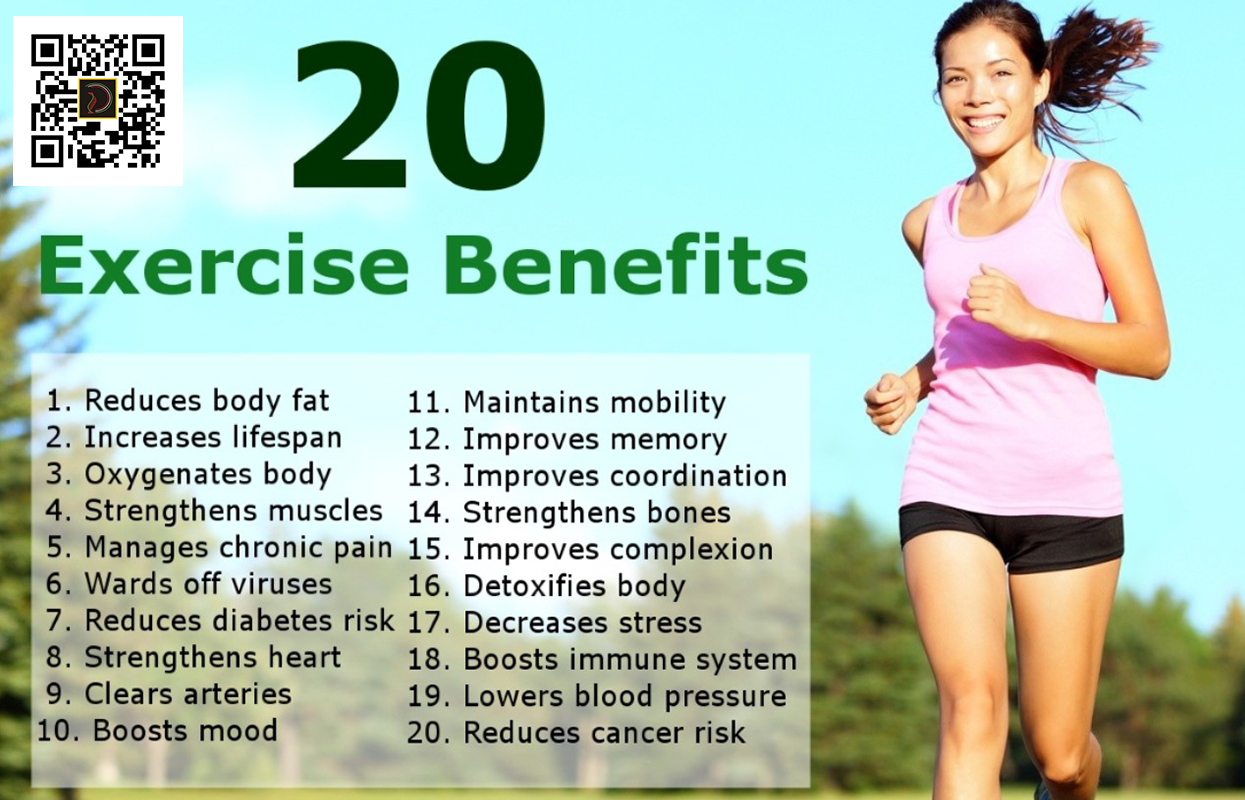
Engaging in regular exercise brings about significant improvements in physical health. It strengthens the cardiovascular system, enhancing the heart's efficiency and reducing the risk of heart disease. Additionally, consistent physical activity helps in maintaining a healthy weight, which is crucial for preventing conditions like obesity, diabetes, and hypertension. Exercise also boosts the immune system, making the body more resilient against common illnesses. Furthermore, it promotes better muscle strength and flexibility, which are essential for overall body functionality and reducing the risk of injuries. For those looking to improve their physical appearance, regular workouts contribute to better posture and muscle tone, providing a more youthful and energetic look.
Mental Health Benefits
The benefits of regular exercise extend beyond physical health, significantly impacting mental well-being. Exercise stimulates the release of endorphins, often referred to as the body's natural mood lifters, which can help alleviate symptoms of depression and anxiety. Engaging in physical activities provides a sense of accomplishment and can be a productive way to manage stress. Additionally, exercise improves sleep quality, which is fundamental for mental health. Regular physical activity also enhances cognitive functions, such as memory and concentration, making it easier to stay focused and productive in daily tasks. By incorporating exercise into your routine, you can experience a more balanced and positive mental state.
Social Benefits
Participating in regular exercise can also offer substantial social benefits. Many physical activities, such as team sports, group fitness classes, or community runs, provide opportunities to meet new people and develop friendships. These social interactions can lead to a supportive network that encourages a consistent exercise routine. Engaging in group activities fosters a sense of belonging and community, which is essential for emotional well-being. Additionally, exercising with others can be more enjoyable and motivating, as it combines physical activity with social engagement. The shared experience of working towards fitness goals can strengthen relationships and create lasting bonds.
Increased Energy Levels
Contrary to the belief that exercise might leave you feeling exhausted, regular physical activity actually boosts energy levels. Engaging in exercise improves the efficiency of the cardiovascular system, ensuring that more oxygen and nutrients are delivered to the body's tissues. This increased efficiency translates to higher energy levels and reduced feelings of fatigue. Regular exercise also enhances muscle strength and endurance, making daily activities easier to perform without excessive tiredness. Moreover, physical activity stimulates the production of mitochondria within cells, which are responsible for generating energy. As a result, incorporating exercise into your daily routine can lead to a more energetic and vibrant lifestyle.
Long-Term Health Benefits
One of the most compelling reasons to engage in regular exercise is the array of long-term health benefits it offers. Consistent physical activity is linked to a longer lifespan and a reduced risk of chronic diseases such as heart disease, stroke, type 2 diabetes, and certain types of cancer. Exercise helps maintain healthy bones and joints, reducing the risk of osteoporosis and arthritis as you age. Additionally, staying active supports healthy aging by preserving muscle mass and cognitive function. The long-term benefits of exercise extend to maintaining independence and quality of life in older age. By committing to a regular exercise routine, you invest in a healthier and more fulfilling future.