The Importance of Soft Skills in the Workplace
Soft skills like communication, teamwork, and adaptability are crucial for career success and workplace harmony.
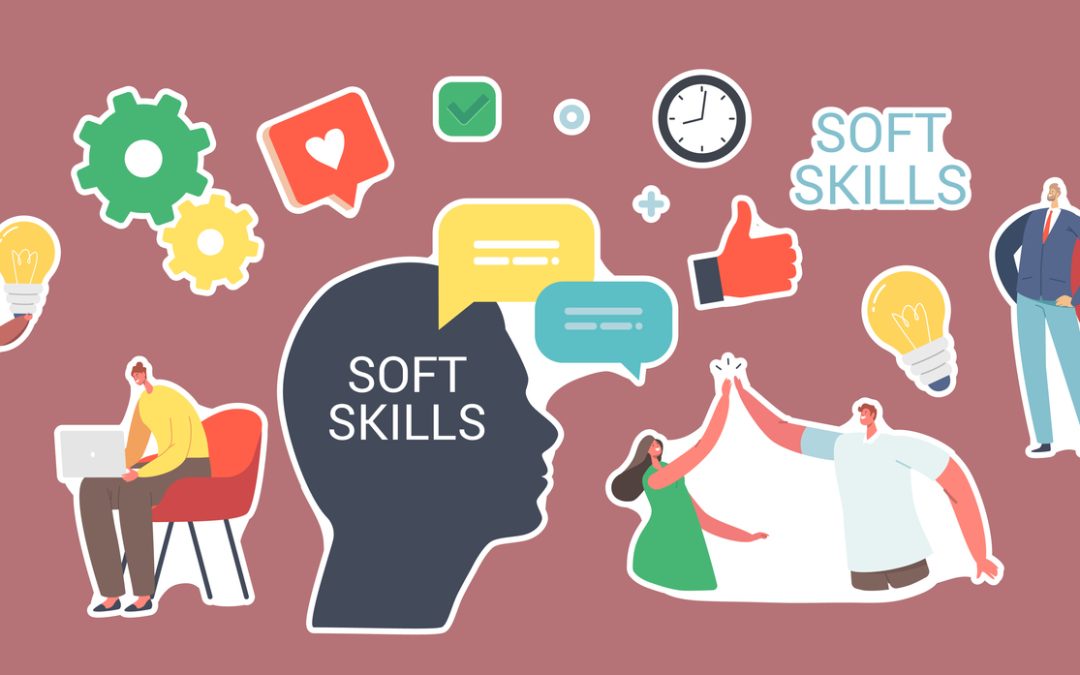
Understanding Soft Skills
In the modern workplace, the term soft skills often surfaces in discussions about professional development. Unlike technical skills, which are specific to a particular job or industry, soft skills are universally applicable. They encompass abilities such as communication, teamwork, and problem-solving. These skills are not only crucial for personal growth but also for the overall success of an organization. While technical skills may get you through the door, soft skills are what keep you there and propel you forward.
Communication is Key
Effective communication is one of the most important soft skills in the workplace. It involves not just speaking clearly and concisely but also listening actively. Good communication can prevent misunderstandings, foster a positive work environment, and enhance productivity. Whether it's through emails, meetings, or casual conversations, the ability to convey your thoughts clearly and understand others is invaluable. Companies often seek individuals who can communicate effectively across different platforms and with diverse teams.
Teamwork Makes the Dream Work
The ability to work well in a team is another essential soft skill. In today's collaborative work environments, being a team player can significantly impact project outcomes. Teamwork involves understanding group dynamics, respecting different viewpoints, and contributing positively to collective goals. Employees who excel in teamwork are often more adaptable and better at problem-solving, as they can leverage the strengths of their colleagues. This collaborative spirit can lead to innovative solutions and a more cohesive work environment.
Problem-Solving and Critical Thinking
Problem-solving and critical thinking are soft skills that enable employees to navigate complex situations effectively. These skills involve analyzing information, identifying potential issues, and developing strategic solutions. In a fast-paced work environment, the ability to think on your feet and make informed decisions is highly valued. Employers look for individuals who can approach challenges with a logical and creative mindset, ensuring that problems are resolved efficiently and effectively.
Adaptability and Flexibility
In an ever-changing work landscape, adaptability and flexibility are crucial soft skills. These traits enable employees to adjust to new conditions, technologies, and expectations. Being adaptable means more than just accepting change; it involves proactively seeking ways to improve and innovate. Flexible employees are often more resilient and open to learning new skills, making them invaluable assets to any organization. Their ability to pivot and thrive amidst change can lead to sustained success and growth.
Emotional Intelligence
Emotional intelligence (EI) is the ability to understand and manage your own emotions while also recognizing and influencing the emotions of others. High EI is linked to better leadership, improved teamwork, and a more positive work environment. Employees with strong emotional intelligence can navigate social complexities, manage stress, and make more thoughtful decisions. This skill is particularly important in roles that require negotiation, conflict resolution, and interpersonal communication.
Time Management
Time management is a critical soft skill that affects productivity and efficiency. It involves planning and organizing your tasks to make the most of your time. Effective time management can lead to higher output, reduced stress, and a better work-life balance. Employees who can prioritize their tasks, set realistic deadlines, and avoid procrastination are often more successful in their roles. This skill is essential for meeting project deadlines and achieving long-term career goals.
Leadership and Influence
Even if you're not in a managerial position, leadership skills are valuable in the workplace. Leadership involves inspiring and motivating others, setting a good example, and guiding teams toward achieving common goals. Strong leaders are often good communicators, decision-makers, and problem-solvers. They can influence others positively, fostering a culture of collaboration and innovation. Leadership skills can also open doors to career advancement opportunities, as they demonstrate your ability to take on more responsibility.