Top 10 Tips for a Balanced Diet
Discover essential tips to maintain a balanced diet, enhance your well-being, and achieve a healthier lifestyle.
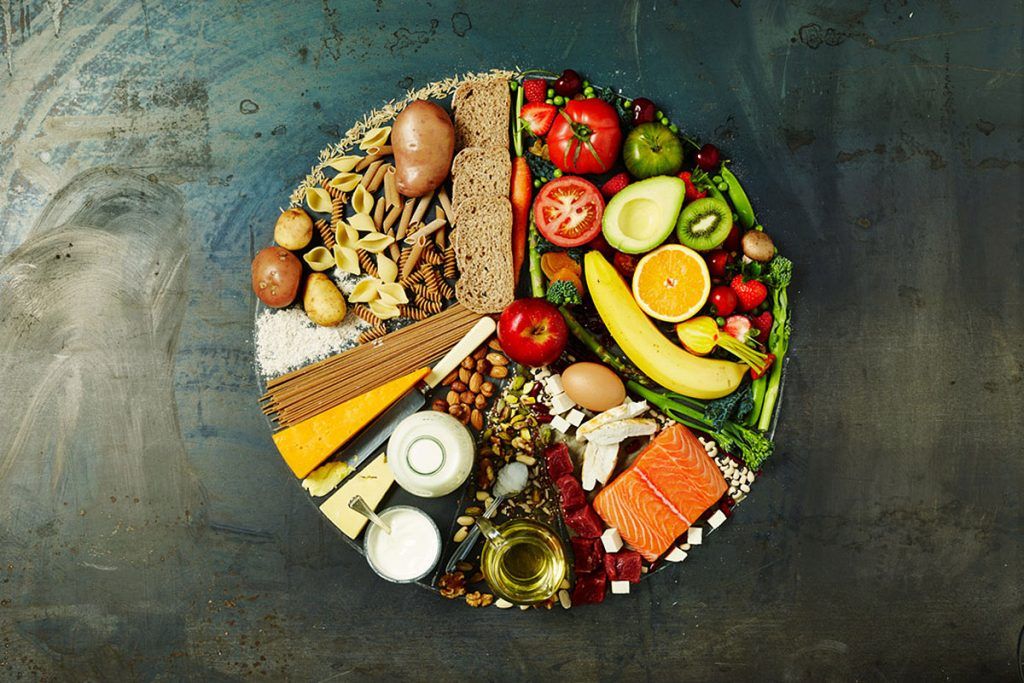
Understand Your Nutritional Needs
To achieve a balanced diet, it's essential to understand your nutritional needs. These needs can vary based on age, gender, and activity level. For instance, children and teenagers require more calories and nutrients to support growth, while adults might need fewer calories but more fiber and antioxidants. Consult with a healthcare provider to determine your specific needs. By knowing what your body requires, you can tailor your diet to include the right balance of proteins, carbohydrates, fats, vitamins, and minerals. This foundational knowledge will help you make informed food choices and maintain overall health.
Incorporate a Variety of Foods
A balanced diet is not about restriction but about variety. Incorporating a wide range of foods ensures you get all the necessary nutrients. Aim to include different types of fruits, vegetables, whole grains, lean proteins, and healthy fats in your daily meals. For example, try to eat different colored vegetables like spinach, carrots, and bell peppers to benefit from a range of vitamins and minerals. Mixing up your food choices not only keeps meals interesting but also helps prevent nutrient deficiencies and promotes overall well-being.
Portion Control is Key
Even healthy foods can contribute to weight gain if eaten in large quantities. Portion control is crucial for maintaining a balanced diet. Use smaller plates to help control portions and avoid the temptation to overeat. Be mindful of serving sizes, especially when it comes to high-calorie foods like nuts, seeds, and oils. Learning to listen to your body's hunger and fullness cues can also help you avoid overeating. Practicing portion control ensures that you get the nutrients you need without consuming excess calories, which can lead to weight gain and other health issues.
Stay Hydrated
Hydration is often overlooked but is a critical component of a balanced diet. Water plays a vital role in digestion, nutrient absorption, and overall bodily functions. Aim to drink at least eight glasses of water a day, but adjust based on your activity level and climate. Incorporate other hydrating foods like cucumbers, watermelon, and oranges into your diet. Avoid sugary drinks and excessive caffeine, as they can lead to dehydration. Staying hydrated helps maintain energy levels, supports digestion, and keeps your skin healthy.
Limit Processed Foods
While it's tempting to reach for convenient, processed foods, they often contain high levels of unhealthy fats, sugars, and sodium. These can contribute to various health issues like obesity, heart disease, and diabetes. Instead, focus on whole, unprocessed foods like fruits, vegetables, whole grains, and lean proteins. Cooking at home allows you to control the ingredients and make healthier choices. By limiting processed foods, you can reduce your intake of harmful additives and improve your overall health.
Plan Your Meals
Meal planning can significantly contribute to a balanced diet. By planning your meals in advance, you can ensure that you include a variety of nutrient-rich foods and avoid last-minute unhealthy choices. Start by creating a weekly menu that includes breakfast, lunch, dinner, and snacks. Make a shopping list based on your meal plan to ensure you have all the ingredients you need. Preparing meals ahead of time can also save you time and reduce stress. Meal planning helps you stay organized, make healthier choices, and maintain a balanced diet.