Understanding Credit Scores: What You Need to Know
Learn about credit scores, their impact on your financial health, and how to improve them to secure better financial opportunities.
What is a Credit Score?
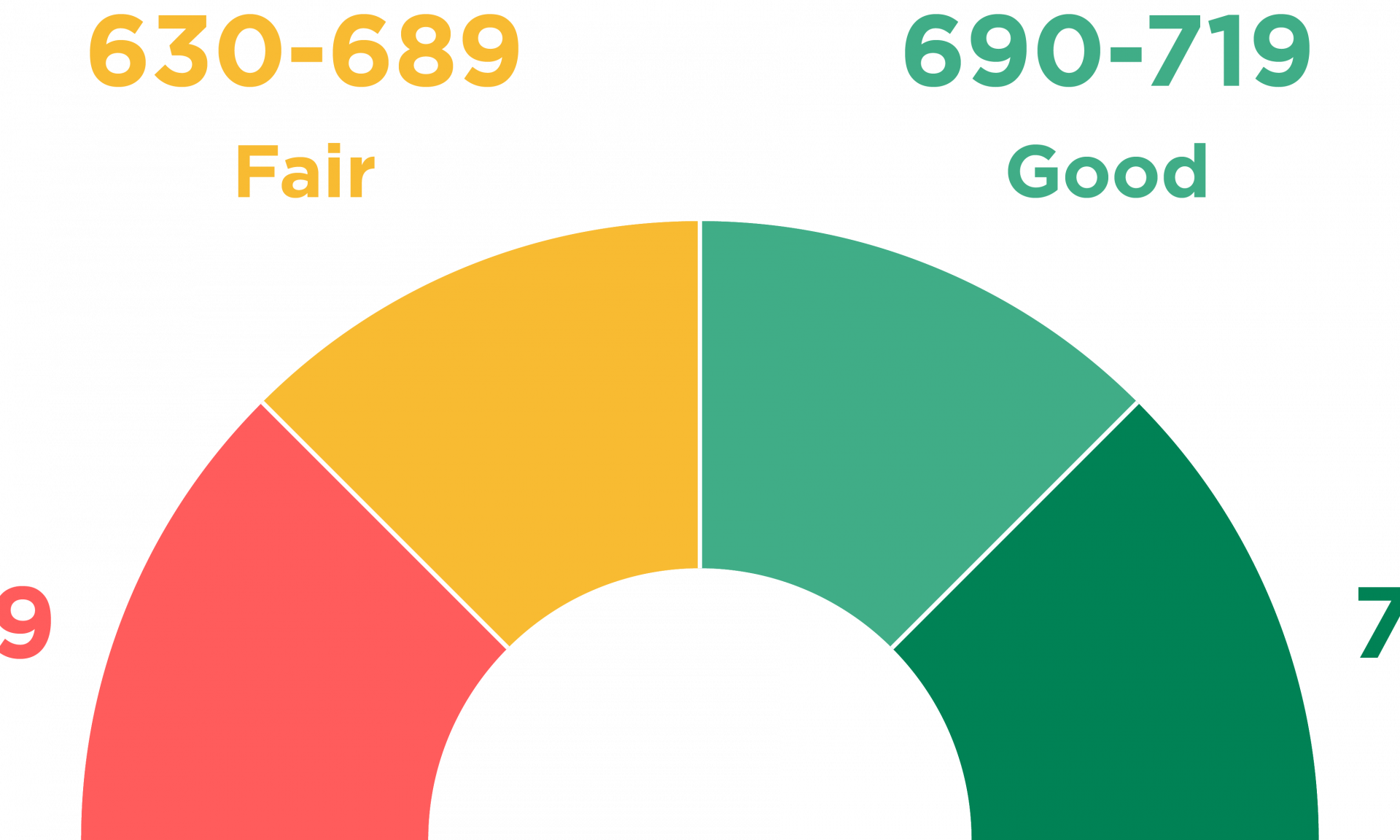
A credit score is a numerical representation of your creditworthiness, based on your credit history. Lenders use this score to determine the likelihood that you will repay borrowed money. Scores typically range from 300 to 850, with higher scores indicating better credit. Your credit score is calculated using various factors, including payment history, amounts owed, length of credit history, new credit, and types of credit used. Understanding your credit score is crucial because it affects your ability to obtain loans, credit cards, and even rental agreements. A good credit score can lead to lower interest rates and better financial opportunities.
Importance of Payment History
One of the most significant factors influencing your credit score is your payment history. This aspect accounts for about 35% of your score, making it crucial to pay your bills on time. Late payments, defaults, and collections can severely impact your score. Consistently paying your bills on time demonstrates to lenders that you are a reliable borrower. It's also essential to keep track of all your financial obligations, including credit cards, loans, and utility bills, to avoid any missed payments. Automating your payments or setting reminders can help you stay on top of your due dates and maintain a positive payment history.
The Role of Credit Utilization
Credit utilization refers to the amount of credit you are using compared to your total available credit. It is another critical factor, accounting for about 30% of your credit score. A lower credit utilization ratio indicates that you are not overly reliant on credit, which is viewed positively by lenders. Ideally, you should aim to use less than 30% of your available credit. For example, if you have a total credit limit of $10,000, try to keep your balance below $3,000. Monitoring your credit utilization and paying down high balances can help improve your credit score over time.
Length of Credit History
The length of your credit history contributes to about 15% of your credit score. This factor considers the age of your oldest account, the age of your newest account, and the average age of all your accounts. Generally, a longer credit history is favorable because it provides more data on your borrowing behavior. To build a lengthy credit history, keep older accounts open and active, even if you don't use them frequently. Closing old accounts can shorten your credit history and potentially lower your score. Being mindful of the age of your accounts can help you maintain a strong credit profile.
Impact of New Credit
Opening new credit accounts can affect your credit score in several ways. When you apply for new credit, lenders perform a hard inquiry, which can temporarily lower your score. Additionally, new accounts can reduce the average age of your credit history. However, having a mix of credit types, such as credit cards, mortgages, and auto loans, can positively impact your score if managed responsibly. It's essential to be cautious when opening new accounts and to only apply for credit when necessary. Too many new accounts in a short period can signal financial instability to lenders.
Types of Credit in Use
The types of credit you have also play a role in your credit score. This factor accounts for about 10% of your score and considers the variety of credit accounts you manage. Having a mix of credit types, such as revolving credit (credit cards) and installment credit (loans), demonstrates your ability to handle different types of debt. Lenders like to see that you can manage various forms of credit responsibly. However, it's important not to open new accounts solely to diversify your credit mix. Instead, focus on maintaining a healthy balance of existing credit types.
Monitoring Your Credit Report
Regularly monitoring your credit report is essential for maintaining a good credit score. Your credit report contains detailed information about your credit history and is used to calculate your score. Checking your report can help you identify any errors or fraudulent activity that could negatively impact your score. You are entitled to a free credit report from each of the three major credit bureaus annually. Reviewing your report can also provide insights into areas where you can improve your credit behavior. Staying informed about your credit status is a proactive step toward financial health.
Steps to Improve Your Credit Score
Improving your credit score requires consistent effort and responsible financial habits. Start by paying all your bills on time and reducing outstanding debt. Aim to keep your credit utilization below 30% and avoid opening too many new accounts at once. Regularly check your credit report for inaccuracies and dispute any errors you find. Building a diverse credit mix and maintaining a long credit history can also contribute to a higher score. Remember, improving your credit score is a gradual process, but with diligence and patience, you can achieve a better financial standing.